

 Back to Blogs
What Are the Different Types of Exterior Doors for Your Home?
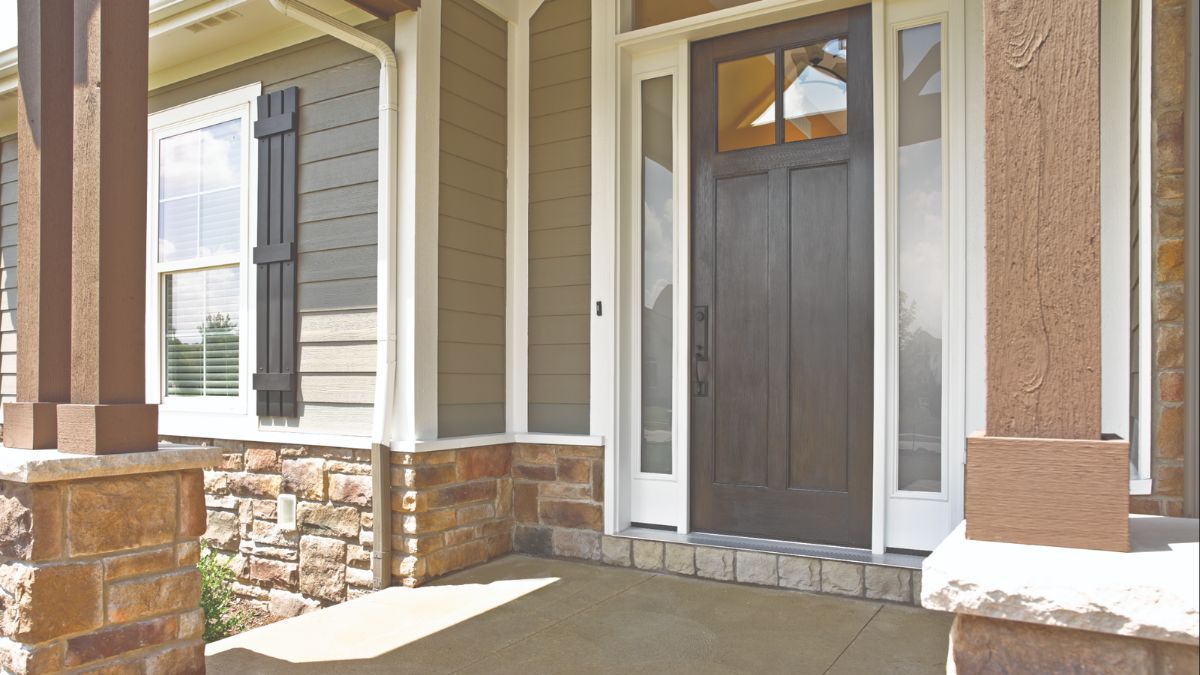
Most homes use four main types of exterior doors: front entry doors (typically steel or fiberglass), sliding vinyl patio doors, French rail sliding patio doors, and storm doors. Each one does a different job. Entry doors handle security and first impressions, patio doors connect your living space to the backyard, and storm doors add an extra layer of protection against the weather. If you're planning an entry door replacement, it helps to know how these door types differ before you pick one.
What Are the Different Types of Exterior Doors for Your Home?
1. Steel Entry Doors:
Steel entry doors are a popular choice for homeowners who put security first. They're built around an insulated foam core that helps block heat and cold, and a tough steel skin covers them.
Why homeowners choose steel:
- Strong resistance to forced entry
- Solid insulating performance for year-round comfort
- A clean, classic look that suits many home styles
- Excellent value for the price
Steel doors come in smooth or textured finishes and pair well with decorative glass inserts if you want more natural light in your entryway.
2. Fiberglass Entry Doors:
Fiberglass entry doors combine durability with style. A quality fiberglass skin won't rot, warp, twist, bow, dent, or rust, which makes it a smart pick for homes that face heavy sun, rain, or humidity. Many fiberglass doors also offer a realistic woodgrain texture, so you can get a rich, traditional look without the upkeep.
Key benefits include:
- Low maintenance for years of use
- Strong resistance to dents and weather damage
- Excellent energy efficiency thanks to an insulated core
- Wide range of colors, textures, and glass options
Depending on your local store, premium fiberglass lines may be available with upgraded hardware and decorative glass.
3. Sidelites and Transoms:
These aren't stand-alone doors, but they're a common add-on during an entry door upgrade. Sidelites are narrow glass panels on one or both sides of a front door, while a transom sits above it. Together, they make your entryway look wider and taller and let more daylight into your foyer. Some door lines offer sidelites in 12-inch and 14-inch widths.
4. Vinyl Sliding Patio Doors:
Vinyl patio doors glide open on a track, so they don't take up floor space when they open. That makes them ideal for decks, patios, and rooms where furniture sits close to the doorway.
What makes them a great fit:
- Large glass panels for wide views and natural light
- Vinyl frames that never need painting
- Energy-efficient glass packages that help keep indoor temperatures steady
- Smooth, easy operation for everyday use
Many energy-efficient patio doors use Low-E glass. Low-E stands for "low-emissivity," a thin, invisible coating that reflects heat while still letting light through. Some also use argon gas, a safe, clear gas sealed between the glass panes that slows heat transfer better than regular air.
5. French Rail Sliding Patio Doors:
French rail patio doors give you the elegant look of a traditional French door with the space-saving function of a slider. Wider rails and frames create a more upscale, architectural appearance. They're a great choice if you want style and practicality in one door.
6. Storm Doors:
Storm doors are installed in front of your main entry door. They help shield the primary door from wind, rain, and snow, and many styles let you swap between glass and screen panels so you can enjoy fresh air in spring and fall.
How to Choose the Right Exterior Door?
Before you commit to a new door, consider these factors:
- Location: Front entries need security and curb appeal; back entries often need light and easy access.
- Energy efficiency: Look for ENERGY STAR® certified products. ENERGY STAR is a U.S. government program that labels products meeting strict energy-saving guidelines.
- Maintenance: Steel, fiberglass, and vinyl all keep upkeep to a minimum.
- Warranty: Ask how each product is covered. Window World's vinyl windows and patio doors are backed by a Lifetime Limited Warranty, while entry doors and storm doors carry the warranty provided by their manufacturer.
- Installation: Professional door installation is essential. A proper fit protects your warranty, prevents drafts and leaks, and makes sure the door locks and operates correctly.
Bottom Line
The best exterior door depends on where it goes and what you need most. Steel and fiberglass entry doors deliver security, insulation, and curb appeal at the front of your home. Vinyl sliding and French rail patio doors bring in light and connect you to outdoor spaces. Storm doors add a layer of protection. Whatever you choose, pair it with energy-efficient features and professional installation for long-lasting performance.
Ready to upgrade your entryway? Contact Window World of Waynesboro today for professional installation and a Free Quote.
Frequently Asked Questions
-
Steel and fiberglass entry doors are the most common choices for front doors because they offer strong security, good insulation, and low maintenance.
-
Steel is a great value with excellent security, while fiberglass resists dents and weather and can mimic a woodgrain look. Both are solid, low-maintenance options.
-
Common signs include drafts, visible gaps, sticking, difficulty locking, rising energy bills, and worn or damaged surfaces.
-
Yes. Vinyl sliding patio doors with Low-E glass and insulated glass packages help reduce heat transfer and keep indoor temperatures comfortable.
-
Storm doors add a protective barrier in front of your main door that helps block wind and weather, improving comfort at the entryway.
-
No. Professional installation ensures a proper seal, proper operation, and protection of your product warranty.