

 Back to Blogs
What Are the Benefits of Custom-Sized Replacement Windows?
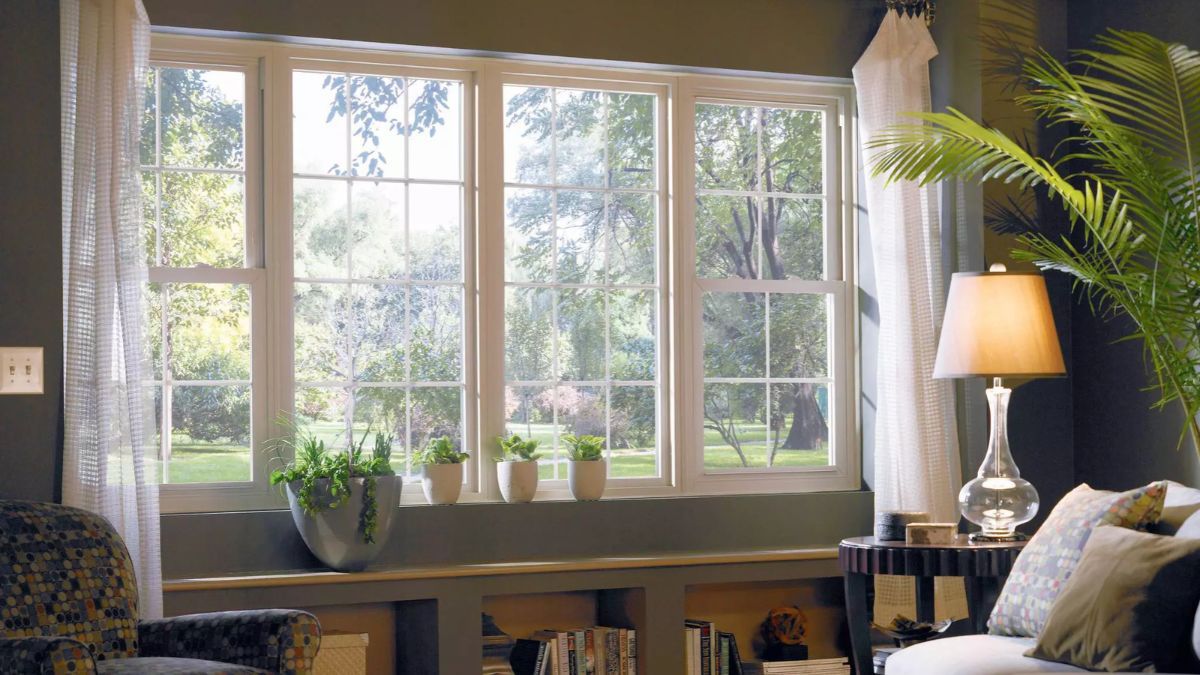
Custom-sized replacement windows are made to the exact measurements of your existing window openings rather than pulled from a stock size chart. A precise fit seals better, wastes less energy, looks cleaner, and usually lasts longer. When you’re planning a window replacement, the new unit's size matters as much as the frame material or glass package. A window that’s off by even a quarter inch can leave gaps that let in air and moisture and drive up utility bills. This guide covers what custom-sized windows are, why homeowners choose them, and what to ask before you start.
What Are Custom-Sized Replacement Windows?
Custom-sized replacement windows are built to order from measurements taken at your home. Standard, off-the-shelf windows come in fixed dimensions. Custom units match the width, height, and depth of each opening.
This matters most in older homes. Over decades, houses settle, framing shifts, and openings that start square can end up slightly out of true. Many homes built before modern sizing standards also have window openings that don’t match any stock product.
Custom-sized windows come in nearly every popular style, including:
- Double-hung windows, which have two sashes that slide up and down.
- Casement and awning windows, which open outward on hinges for strong ventilation.
- Sliding windows, which glide side to side and work well in wide openings.
- Bay and bow windows, which project outward to add space and light.
- Picture and specialty shapes, such as arches or geometric designs, for architectural interest.
With custom sizing, you don’t have to force a stock window into an opening it wasn’t built for, and you don’t have to rebuild the wall to fit a standard size.
Key Benefits of Custom-Sized Replacement Windows
1. A Tighter Seal and Better Energy Efficiency:
The biggest advantage of a custom fit is energy efficiency. When a window fills its opening correctly, there are fewer gaps for air to leak through. Less leakage means your heating and cooling system works less to keep your home comfortable. The savings can be significant. According to ENERGY STAR, you could save an average of about 12% on your energy costs by replacing poor-performing windows with ENERGY STAR certified models. A certified window that’s poorly fitted can lose much of its rated performance through the gaps around it.
2. Better Year-Round Comfort:
Drafts near windows, cold spots in winter, and rooms that overheat in summer often trace back to poor fit and sealing. Custom-fit windows reduce those problems by closing the gaps where outside air gets in. Rooms stay at a steadier temperature, and you’re less likely to feel a chill when you sit near the glass.
3. Better Curb Appeal:
Stock windows set into mismatched openings often need extra trim, filler strips, or bulky framing to cover the gaps. That can make the glass area smaller and the exterior look uneven. A custom-sized unit keeps sightlines clean and proportions balanced, so your home looks finished and cared for, which helps curb appeal and resale value.
4. Protection Against Moisture and Water Damage:
Gaps around a poorly fitted window aren’t only an energy problem. They can let rain, condensation, and humidity get into the wall cavity. Over time, that moisture can lead to:
- Wood rot in sills and framing
- Mold and mildew growth
- Peeling paint and damaged drywall
- Higher repair costs later
A precise fit, along with proper flashing and sealing, is one of the best defenses against water intrusion.
5. Less Structural Work and a Smoother Installation:
Because custom windows are built to fit the existing opening, installers usually don’t need to cut into walls, rebuild framing, or patch large sections of siding and drywall. That often means a faster, cleaner window replacement with less disruption to your home and schedule.
6. Longer Product Life:
Windows that are forced into the wrong-sized opening can be under constant stress. Sashes may bind, locks may not line up, and seals can fail early. A properly sized window operates the way it was designed to, so you get smoother opening and closing and longer-lasting insulated glass seals.
7. Room for Personal Design Choices:
Custom ordering usually comes with more choices. Homeowners can often pick frame colors, grid patterns, hardware finishes, and glass options such as Low-E coatings, which help block heat and UV rays. Low-E coatings on many certified windows reduce UV sun damage to floors, carpets, and furniture.
What to Look for Before You Buy
To get the most from a custom window project, check for:
- Professional measurement, ideally with each opening measured individually
- ENERGY STAR and NFRC labels, which confirm tested performance ratings
- Clear warranty terms covering both the product and the installation
- Experienced installers who handle flashing, insulation, and sealing correctly
Bottom Line
Custom-sized replacement windows fit better than stock units, and a better fit means lower energy bills, more comfortable rooms, better moisture protection, a cleaner exterior, and a longer-lasting product. Especially for older homes or irregular openings, choosing custom sizing is one of the smartest decisions you can make in a window replacement project.
For expert guidance and custom-fit windows in Charlottesville and the surrounding Central Virginia communities, contact Window World of Waynesboro for a free quote.
Frequently Asked Questions
-
They can cost somewhat more upfront, but they often save money over time through lower energy bills and fewer installation and repair costs.
-
Most custom windows take a few weeks to make after measurement, and installation for an average home usually takes one to two days.
-
Yes. A precise fit reduces air leaks, and ENERGY STAR estimates that certified replacement windows save about 12% on energy costs on average.
-
Yes. Custom sizing is ideal for older homes, where openings are often out of square or don’t match standard dimensions.
-
Common signs include drafts, condensation between panes, windows that are hard to open, rising energy bills, and rotting or warped frames.
-
It means the window has been independently tested and certified to meet EPA energy-efficiency standards for your climate zone.